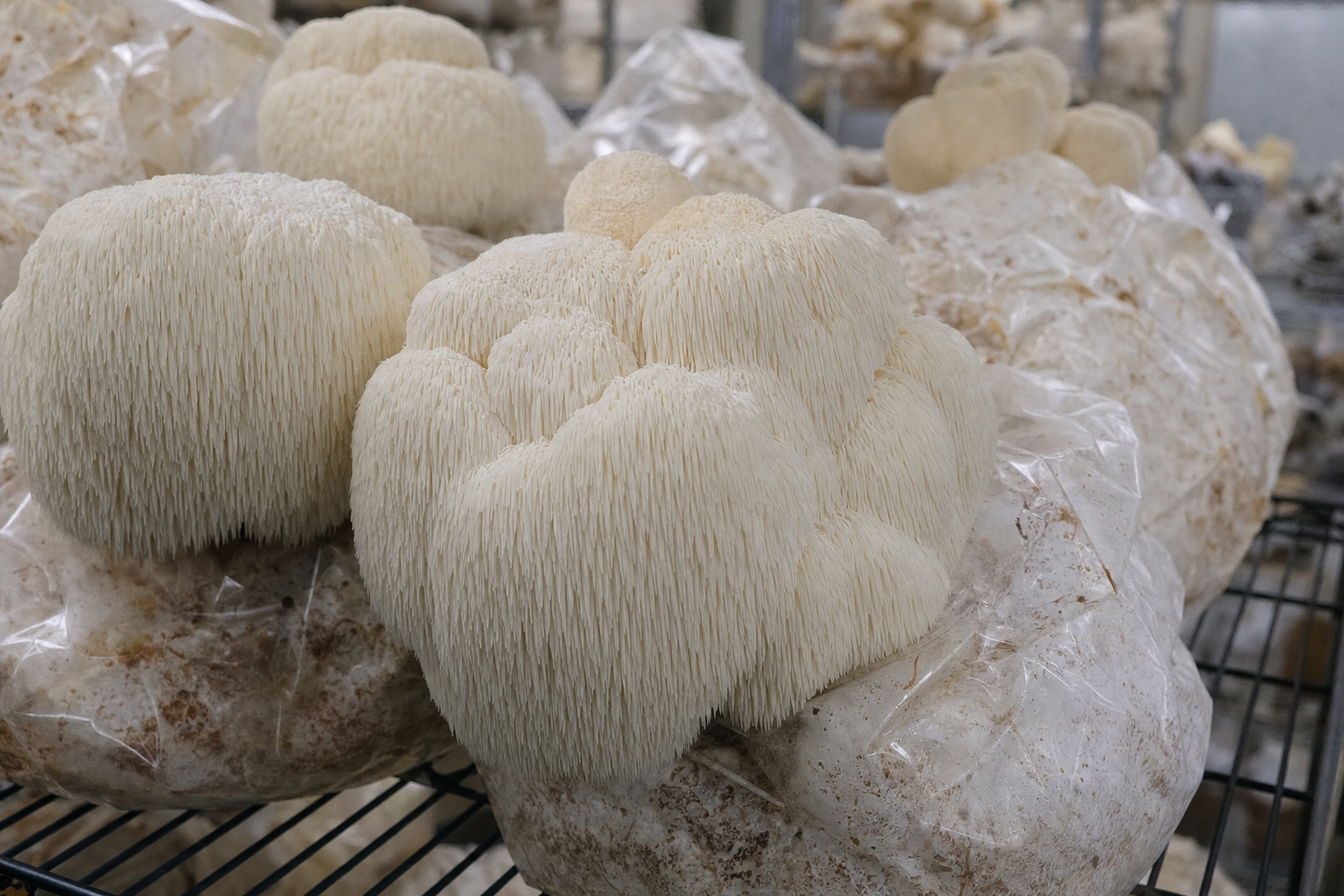
A mushroom is only one visible piece of a much larger organism. Before you can grow great fruiting bodies, you need to understand what is happening beneath the surface and why mycelium is the real heart of the fungal life cycle.
The Scale of the Fungal Kingdom
Mushroom-forming fungi belong to a broader fungal kingdom estimated to include somewhere between 1.5 and 5 million species. Of those, roughly 20,000 produce fruiting bodies that can be seen and picked by hand. About 200 have been cultivated in some form, and only around 20 have reached large-scale production. That gap between what exists in nature and what growers have figured out tells you something: there is still a tremendous amount of room for discovery in both taxonomy and cultivation practice.
One clarification worth making early: all mushrooms are fungi, but not all fungi are mushrooms. The word “mushroom” refers specifically to the fruiting body, the structure that can be seen with the naked eye. Mushrooms grow from many different substrates, occupy many ecological niches, and express a wide range of shapes, colors, and physical characteristics. Many have a short lifespan, which makes them difficult to study in the field.
What Mycelium Actually Is
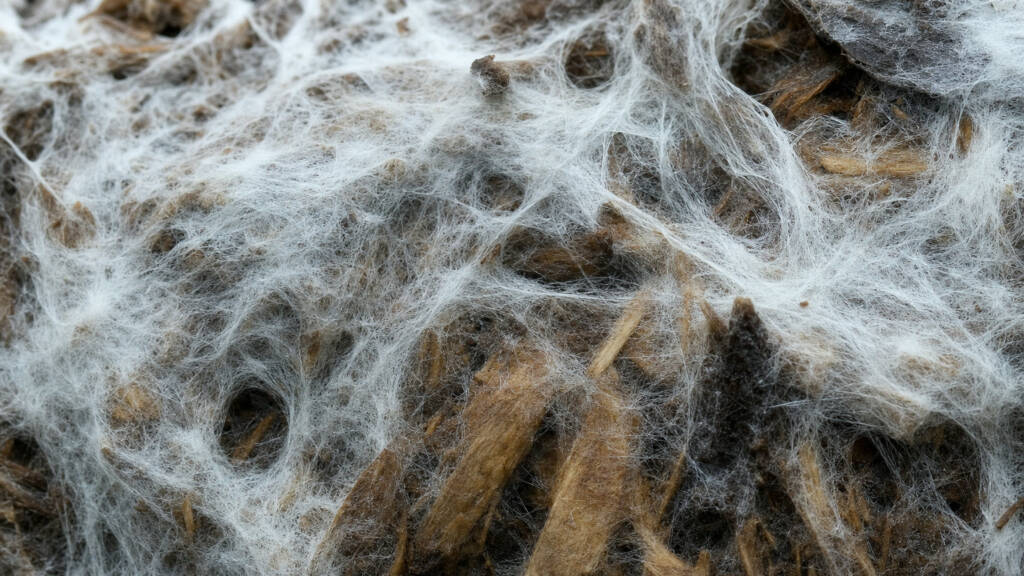
The fruiting body is not the main body of the organism. That distinction belongs to the mycelium, a network of thread-like structures that grows outward in multiple directions as it seeks food to digest. All fungi digest food externally using enzymes produced by the mycelium, which breaks down organic material before absorbing the nutrients.
Mycelium is made of threads only one cell thick, which makes it extremely sensitive to moisture loss. In the wild, you typically find it by turning over logs or digging into leaf litter where moisture levels stay consistently higher. In a cultivation context, protecting mycelium from drying out is one of the most basic jobs a grower has.
Why Mycelium Comes First
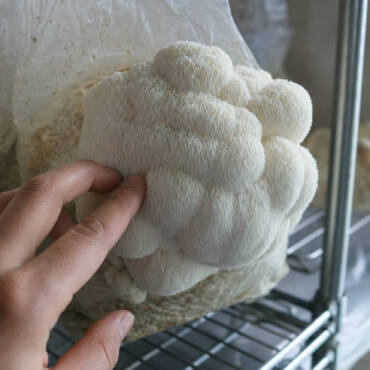
Healthy mycelium must come before fruiting mushrooms. A tomato grower builds a strong plant because that plant produces the tomatoes. The same logic applies here: a mushroom farmer’s first job is cultivating vigorous, well-established mycelium. When environmental conditions shift in the right direction, that mycelium transitions to producing fruiting bodies. Some species are highly specific about what triggers that transition. The most commonly cultivated gourmet species, however, are relatively straightforward to induce.
The Role of Spores
Once a mushroom forms, its primary biological role is to produce spores. Spores function similarly to seeds: they are the reproductive units of the organism, microscopic packets of genetic material distributed by wind, rain, and insects in hopes of landing on a suitable new food source. A single mushroom produces spores in the millions, often billions.
For a closer look at how individual gourmet species differ in their substrate preferences and fruiting requirements, the popular mushroom varieties for home growers page breaks down some of the most accessible options.
Add Comment