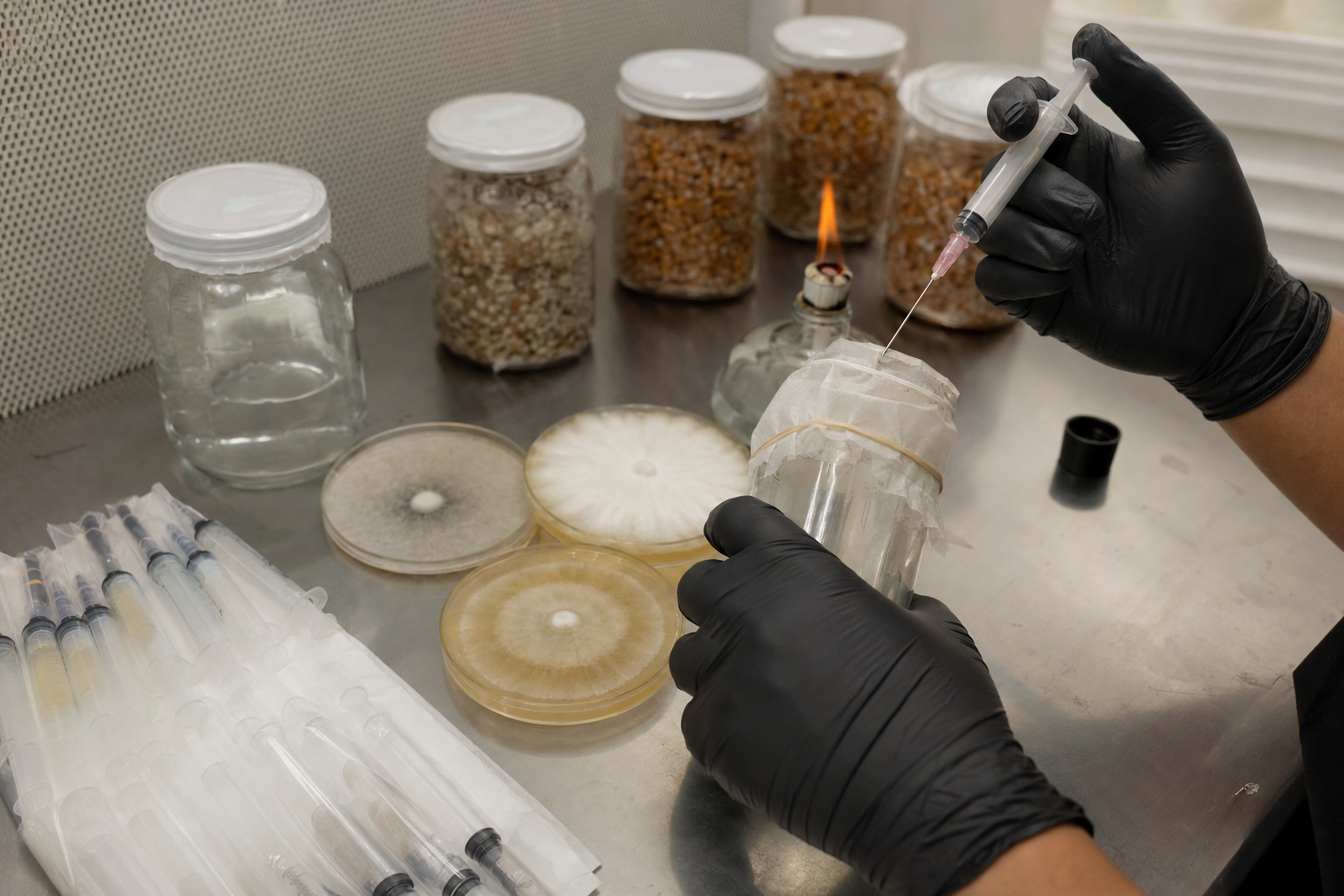
Most food production conversations center on soil, sunlight, and acreage. Mushrooms sidestep all three in ways that still surprise people who are new to cultivation. They grow on agricultural byproducts, require no direct sunlight, and occupy a fraction of the footprint that row crops demand. That combination puts mushroom farming in an unusual position when you look at food production through an environmental lens.
What Mushrooms Actually Grow On
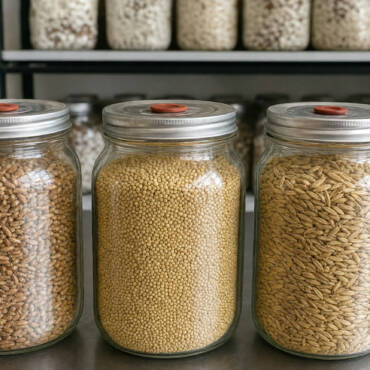
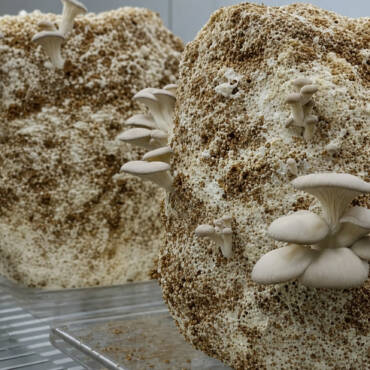
Unlike plants, mushrooms do not photosynthesize. They are fungi, and they obtain energy by breaking down organic matter. That means the “soil” for a mushroom crop is typically something that would otherwise be a waste product: straw, sawdust, cottonseed hulls, soy hulls, or spent grain from breweries.
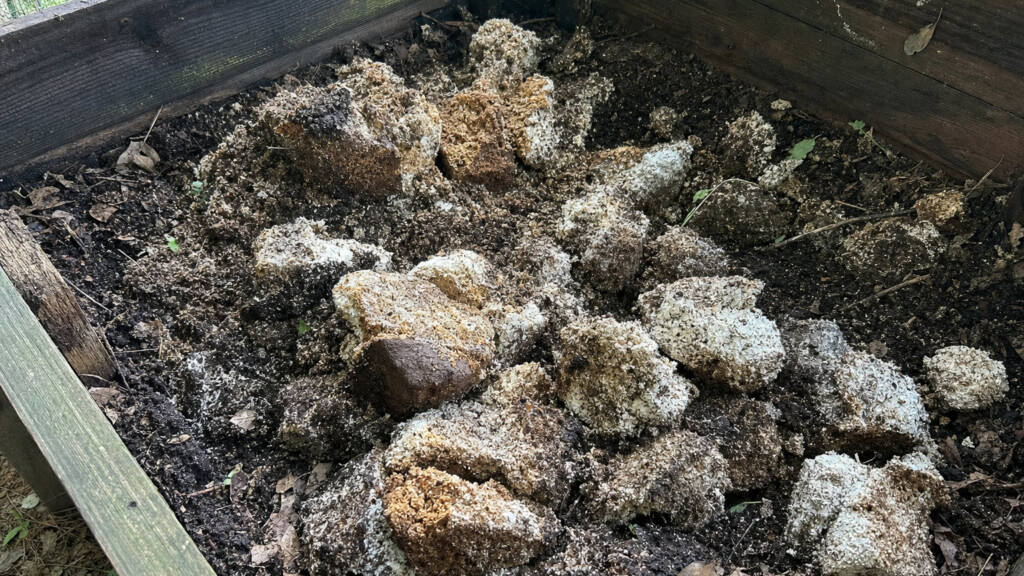
This substrate sourcing matters environmentally because it closes a loop. Material that might otherwise go to a landfill or sit in a compost pile becomes the growing medium for a food crop. After the mushrooms have fruited and the substrate is spent, that material is still rich in partially degraded organic matter and can be used as a soil amendment or composted further.
Land and Water Use Compared to Other Crops
Mushroom production is dense by nature. A single vertical rack system in a modest indoor space can yield a substantial harvest in a footprint measured in square feet rather than acres. Because the growing environment is controlled, water is applied only where and when it is needed, and most of that moisture is captured in the fruiting bodies themselves rather than lost to evaporation or runoff.
Outdoor row crops, by contrast, depend on rainfall timing, face evaporation losses, and require much larger land areas to produce equivalent weights of food. That is not a knock on field agriculture; it is simply a structural difference in how the two systems work.
Energy Inputs and Indoor Growing
Indoor controlled-environment cultivation does require electricity for lighting, humidity management, and air exchange. This is the honest trade-off. Mushrooms do not need grow lights the way fruiting plants do, because they are not photosynthesizing, but fans, humidifiers, and climate control still draw power.
Indoor systems give growers more control over their growing environment and can support year-round production. They still require sanitation and pest management, and their energy footprint depends on the equipment, climate, and production method. Selling or using mushrooms nearby can reduce transport distances, but local production alone does not establish the total environmental impact.
Mycelium and Carbon
The mycelium network that colonizes a substrate block is doing active biological work: breaking down complex carbon compounds and releasing carbon dioxide as a byproduct, much like animal respiration. This is fundamentally different from the carbon sequestration that trees and perennial grasses perform.
That distinction is worth being clear about. Mushroom cultivation is not a carbon-negative activity in the way that reforestation is. What it does offer is a low-emission food production pathway when you compare it to livestock, and a way to extract nutritional value from carbon that is already cycling through the waste stream rather than pulling fresh resources in.
Species Choice and Its Environmental Implications
Not every mushroom species has the same substrate requirements or the same ease of cultivation, and those differences have downstream environmental effects.
- Oyster mushrooms are among the most substrate-flexible species and colonize straw, cardboard, and many agricultural byproducts quickly. Their fast colonization times reduce the window for contamination and the associated waste of failed crops.
- Lion’s mane prefers hardwood-based substrates and is somewhat more selective, but it fruits well indoors and produces dense, high-value yields relative to its footprint.
- Shiitake has traditionally been grown on hardwood logs outdoors over multi-year production cycles, which is a low-input method but requires longer lead times before first harvest.
For home growers and small-scale farmers, species selection is partly an environmental decision. Choosing a species that matches locally available substrate materials reduces both sourcing complexity and transportation impact.
The Role of Genetics in Reducing Waste
One factor that does not get discussed enough in environmental conversations about mushroom farming is genetics. A culture that colonizes efficiently, fruits reliably, and completes multiple flushes before the substrate is exhausted is extracting more food value from the same material than a weak or inconsistent culture would.
Failed substrate blocks that never pinned, got contaminated, or produced a single sparse flush represent wasted inputs: water, electricity for incubation, substrate material, and the grower’s time. Starting with verified, performance-documented genetics is not just a cultivation preference; it directly affects how efficiently a grow converts inputs into food.
Small-Scale Growing and Local Food Systems
Commercial mushroom operations contribute to local food availability, but so do home growers and small farms. A grower producing oyster mushrooms in a spare bedroom or a converted shed is creating fresh food within their own community, often from substrate materials sourced nearby.
That hyper-local model sidesteps refrigerated shipping, extended cold storage, and the packaging required for long-distance retail distribution. The environmental case for locally grown mushrooms at any scale is straightforward: short supply chains use fewer resources than long ones, and fresh mushrooms deteriorate quickly enough that local production is often the only way to get them truly fresh.
Honest Limits of the Environmental Argument
Mushroom farming is resource-efficient relative to many other food production methods, but it is not without impact. Indoor growing uses energy. Substrate materials still have to be sourced, transported, and eventually disposed of. Plastic grow bags, while functional, create solid waste unless a grower is composting spent substrate and reusing or recycling bag material.
The honest framing is not that mushroom farming solves environmental problems, but that it fits into a lower-impact tier of food production when managed thoughtfully. For growers paying attention to their inputs and outputs, the math tends to work out favorably compared to the alternatives.
For a fuller look at the numbers, see our guide to the environmental impact of mushroom farming.
Add Comment