
Chanterelles (Cantharellus cibarius) are among the most prized wild mushrooms in the world. Their golden-orange color, fruity apricot-like aroma, and peppery yet delicate flavor have made them a favorite of chefs and foragers for centuries.
Identifying Chanterelles
True chanterelles have funnel-shaped caps with wavy, irregular edges. Their most distinctive feature is the presence of false gills — shallow, forked ridges that run down the stem rather than true blade-like gills. The flesh is firm, white to pale yellow, and smells faintly of apricots. Always be cautious of the toxic jack-o-lantern mushroom (Omphalotus olearius), which has true gills and grows on wood.
Where and When to Find Them
Chanterelles are mycorrhizal fungi that partner with living trees, especially oak, beech, and conifers. They fruit from late spring through fall depending on region, typically after warm rains. Look in mossy areas of deciduous and mixed forests with well-drained soil.
Cooking with Chanterelles
Chanterelles deserve simple preparation to showcase their delicate flavor. Sauté them gently in butter with a touch of shallot and thyme. They’re exceptional in cream sauces, risottos, omelets, and atop grilled meats. Avoid overwhelming their subtle flavor with heavy spices.
Can You Grow Chanterelles?
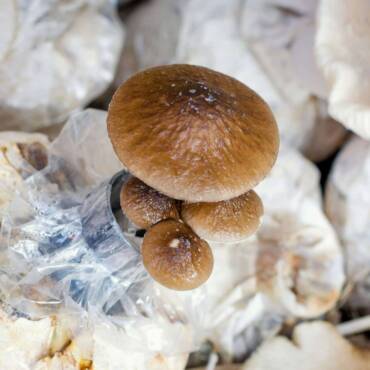
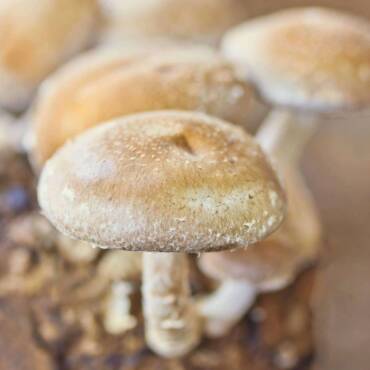
Unfortunately, chanterelles cannot be reliably cultivated due to their mycorrhizal nature — they require living tree roots. For gourmet mushrooms you can grow at home, try oyster, shiitake, or lion’s mane from MycoStock’s grow kits.
Add Comment