
How Mushrooms Strengthen Your Immune System
Mushrooms contain some of the most potent natural immune-modulating compounds found in any food. Unlike supplements that claim to simply “boost” immunity, the bioactive compounds in mushrooms work by training and regulating immune cells — helping your body mount stronger responses to genuine threats while reducing unnecessary inflammation. This balanced approach to immune support is why mushrooms have been used in traditional medicine systems across Asia for thousands of years and are now the subject of extensive modern clinical research.
Beta-Glucans: The Key Immune Compound
The primary immune-active compounds in mushrooms are beta-glucans — complex polysaccharides found in the cell walls of all fungi. When you eat mushrooms, beta-glucans interact with receptor sites on immune cells in your gut lining, particularly macrophages and dendritic cells. These interactions trigger a cascade of immune responses: increased production of natural killer (NK) cells, enhanced activity of T-cells, and improved coordination between different branches of the immune system.
Different mushroom species contain different types and concentrations of beta-glucans. Turkey tail (Trametes versicolor) is one of the richest sources and has been studied extensively in cancer research for its immune-modulating properties. Reishi (Ganoderma lucidum) contains beta-glucans along with triterpenes that have anti-inflammatory effects. Shiitake contains lentinan, a specific beta-glucan that has been approved as an adjunct cancer therapy in Japan. Maitake contains a beta-glucan fraction called D-fraction that has shown immune-enhancing effects in clinical studies.
What the Research Shows
A 2015 study at the University of Florida found that participants who ate one serving of cooked shiitake mushrooms daily for four weeks showed significant improvements in immune cell proliferation and activity, along with reduced levels of C-reactive protein (a marker of inflammation). A separate study published in the Journal of the American College of Nutrition found that regular mushroom consumption was associated with higher levels of secretory immunoglobulin A (sIgA), an antibody that protects mucosal surfaces in the respiratory and digestive tracts.
These immune benefits are not limited to exotic or medicinal species. Common culinary mushrooms like white button, cremini, and portobello all contain meaningful amounts of beta-glucans. The key is regular consumption — eating mushrooms several times per week provides consistent immune support, while occasional consumption provides less sustained benefit.
Growing Immune-Supporting Mushrooms at Home
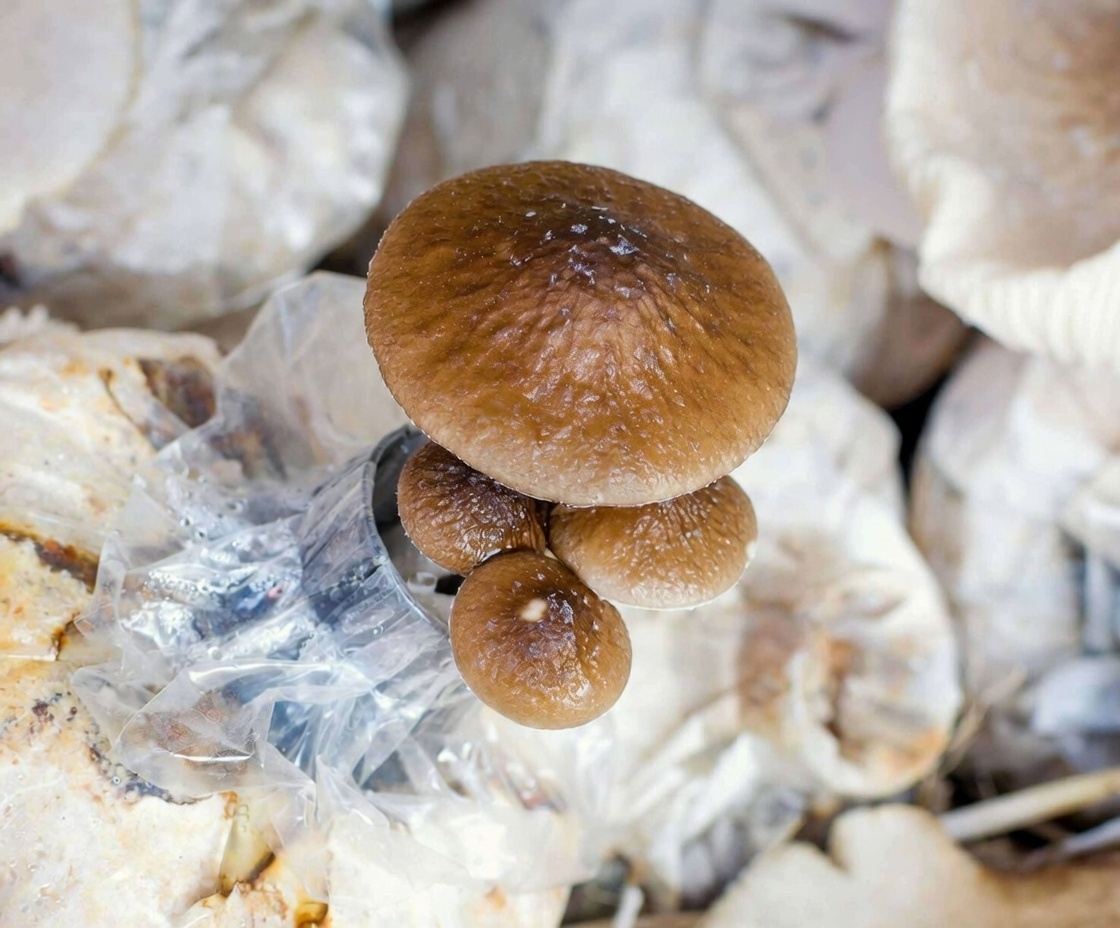
The freshest mushrooms deliver the highest levels of bioactive compounds. Growing your own with MycoStock grow kits or ready-to-fruit blocks means you can harvest and eat mushrooms within minutes, preserving beta-glucans and other compounds that may degrade over time in stored, commercially shipped mushrooms. Our oyster mushroom and lion’s mane varieties are particularly rich in immune-supporting compounds and are among the easiest species to grow at home.
Add Comment