
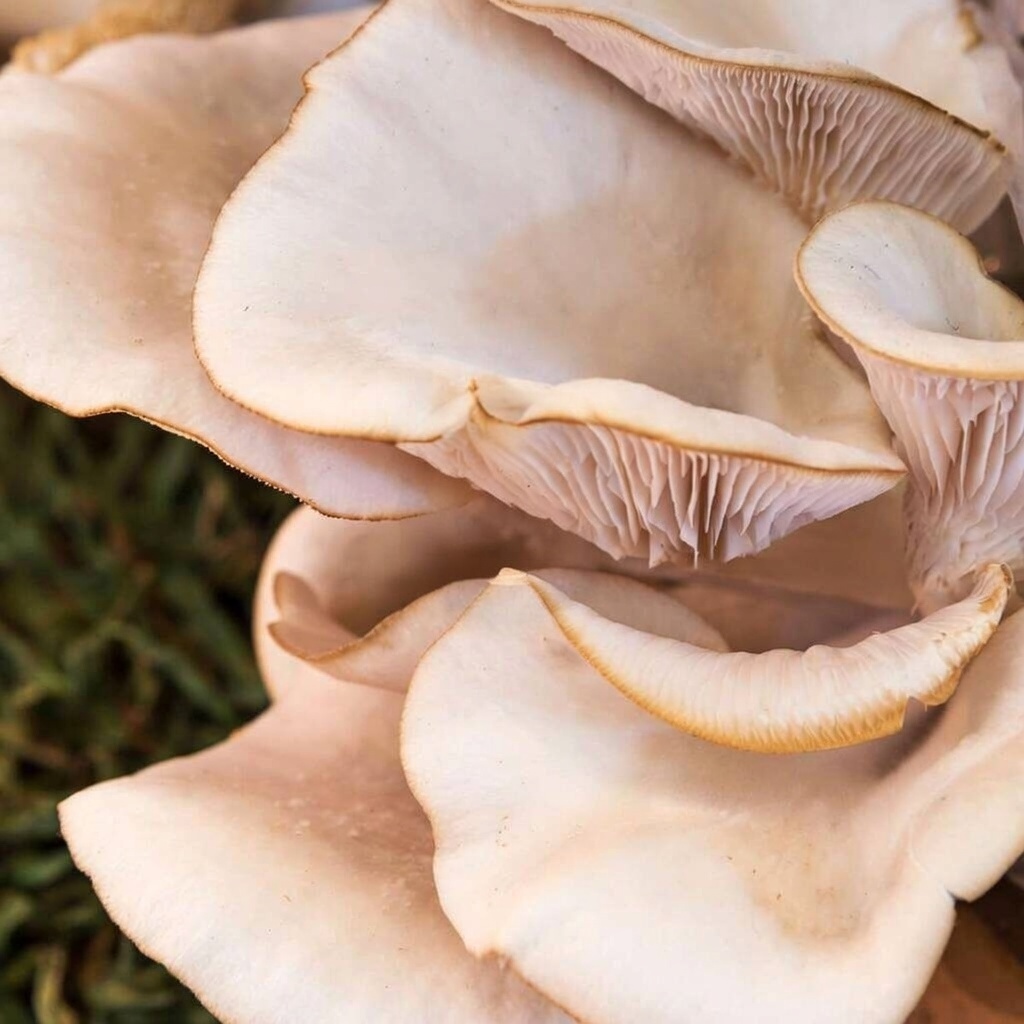
Mushrooms and Vitamin D: The Only Non-Animal Food Source
Mushrooms are unique in the food world — they are the only non-animal food that can produce significant amounts of vitamin D. Just like human skin, mushrooms synthesize vitamin D when exposed to ultraviolet (UV) light. This makes them one of the most important dietary sources of vitamin D for people who get limited sun exposure, live in northern climates, or follow plant-based diets.
How Mushrooms Produce Vitamin D
Mushrooms contain a compound called ergosterol in their cell membranes. When ergosterol is exposed to UV-B radiation — whether from sunlight or a UV lamp — it converts into ergocalciferol, also known as vitamin D2. A single serving of UV-exposed mushrooms can contain 400-1000 IU of vitamin D2, which approaches or exceeds the daily recommended intake of 600-800 IU for most adults.
Even after harvest, mushrooms continue to produce vitamin D when exposed to sunlight. You can increase the vitamin D content of store-bought or home-grown mushrooms by placing them gill-side up in direct sunlight for 15-30 minutes before cooking. Research from the USDA has shown that this simple step can increase vitamin D levels from nearly zero to over 800 IU per serving — a remarkable transformation that no other food can match.
Vitamin D2 vs. Vitamin D3
Mushrooms produce vitamin D2, while animal sources (fatty fish, egg yolks) and sun exposure on skin produce vitamin D3. Both forms raise blood levels of 25-hydroxyvitamin D — the marker doctors use to assess vitamin D status — though some studies suggest D3 may be slightly more effective at raising and maintaining blood levels over time. However, research published in the Journal of Clinical Endocrinology and Metabolism has shown that vitamin D2 from mushrooms is effective at improving vitamin D status, particularly when consumed regularly as part of the diet.
Why Vitamin D Matters
Vitamin D is essential for calcium absorption, bone health, immune function, and mood regulation. Deficiency is remarkably common — the NIH estimates that over 40% of American adults have insufficient vitamin D levels. Symptoms of deficiency include fatigue, muscle weakness, bone pain, and increased susceptibility to infections. Chronic deficiency has been linked to osteoporosis, increased fracture risk, and weakened immune response.
For people who spend most of their time indoors, live above the 37th parallel (roughly north of San Francisco or Richmond, Virginia), or have darker skin that produces vitamin D less efficiently from sunlight, dietary sources become critically important. Mushrooms — especially UV-exposed varieties — are one of the easiest and most affordable ways to close the vitamin D gap without relying solely on supplements.
Growing your own mushrooms with MycoStock grow kits gives you complete control over UV exposure. Simply place your harvested mushrooms in sunlight before eating to maximize their vitamin D content — fresh, nutritious, and grown right at home.
Add Comment